“Before You Renovate: A Guide to Rough Cost Estimates”


In Singapore, renovation costs can vary dramatically between a BTO, a resale HDB flat, and a private condominium, landed or commercial. With different scopes of work, material selections, and regulatory requirements involved, budgeting for a renovation is rarely straightforward. In this guide, we break down how rough estimates are calculated, what factors influence the numbers, and how early cost planning helps you make informed decisions before committing to a renovation project.
What Is a Rough Cost Estimate?
A rough cost estimate is a preliminary budget range prepared at the early stage of a renovation project, before detailed drawings and final material selections are confirmed. This estimate functions as a financial guideline rather than a set quotation in Singapore's restoration landscape, where scope, finishes, and compliance needs can vary dramatically between properties.
It is typically calculated based on several key factors — including the property type (BTO, resale HDB, commercial or landed condominiums), floor area, proposed scope of works, and intended material quality. The objective at this point is to create a reasonable investment range that balances design goals with budgetary constraints rather than to deliver a precise contract amount.
When prepared methodically, a rough estimate allows homeowners to evaluate feasibility, prioritize must-haves, and make informed adjustments before committing to detailed design development. It sets the foundation for clearer planning, smoother execution, and fewer budget surprises later in the renovation journey.
What Factors Influence Renovation Costs in Singapore?
Renovation costs in Singapore are influenced by more than just the size of a property. Even two homes with identical floor areas can have significantly different budgets depending on their existing condition, design complexity, and material choices. Understanding these variables allows homeowners to see why rough estimates can vary — and why a lower figure is not always a like-for-like comparison.
By understanding these key cost drivers, homeowners can better appreciate how a rough estimate is formulated — and why careful planning at the beginning of a renovation project leads to more predictable financial outcomes.
Typical Renovation Cost Ranges in Singapore
While every renovation project is unique, having a general understanding of typical cost ranges can help homeowners set realistic expectations before engaging an interior designer. In Singapore, renovation budgets often vary depending on property type, scope of works, and the level of customization involved.
The figures below provide a broad reference for common residential properties:
BTO Flats
For newly completed BTO units, renovation works are usually more straightforward since major structural elements and basic finishes are already in place.
Basic renovation: SGD $25,000 – $40,000
Mid-range renovation: SGD $40,000 – $65,000
High-end custom renovation: SGD $65,000 and above
Costs at the higher end typically include extensive carpentry, feature ceilings, premium countertop materials, and customized storage solutions.

Newly BTO launch in Singapore.

Optional Component Scheme (OCS).

Bare unit before renovation work begin.
Resale HDB Flats
Resale units often require additional work such as hacking of existing finishes, flooring replacement, plumbing upgrades, or electrical rewiring. As a result, renovation costs are generally higher than BTO projects.
Typical renovation range: SGD $50,000 – $100,000+
Older flats with significant layout changes or full interior overhauls may exceed this range.

Site visitation of a resale HDB before renovation.

Check the existing condition of the unit.

Exposed sewage pipe in bathroom for resale HDB.
Private Condominiums
Condominium renovations can vary widely depending on unit size, design requirements, and management regulations.
Typical renovation range: SGD $40,000 – $100,000+
While some condo projects focused mainly on aesthetic upgrades, others would involve custom carpentry, built-in wardrobes, and upgraded kitchen finishes that will increase the overall costs.
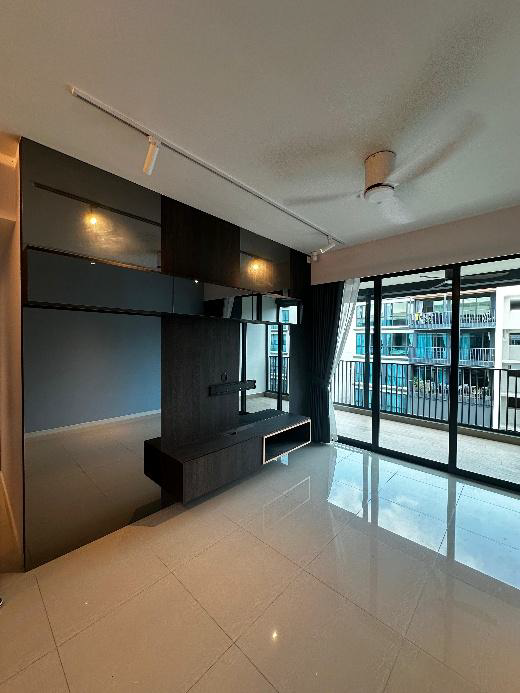
Existing built-in carpentry.

Parquet flooring for the current condition.

Laminate flooring with built-in wardrobe.
Landed Properties
Landed homes often involve larger floor areas and more complex works. Renovations may include structural modifications, extensive carpentry, exterior works, or additions and alterations.
Typical renovation range: SGD $150,000 – $400,000+
Projects involving major structural upgrades or large-scale redesigns can exceed this range significantly.
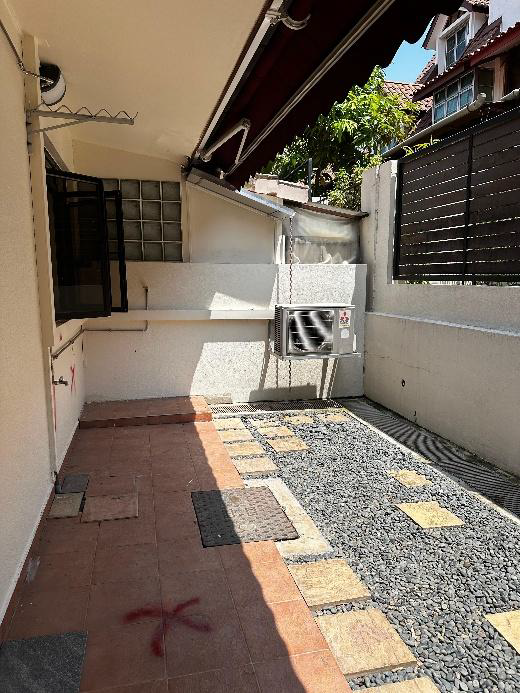
Exterior of landed properties can be renovated.

Concrete sink to be modified to carpentry designed.

Staircase can be refurnish to meet the new era design.
These figures should be viewed as general benchmarks rather than fixed pricing. A detailed estimate will always depend on the final design scope, material selections, and site conditions. However, having a rough understanding of these ranges can help homeowners approach renovation planning with clearer expectations and a more realistic budget framework.
Budget Planning Tips Before You Start Renovating
Planning a renovation can be both exciting and overwhelming, especially when it comes to managing costs. While rough estimates provide a helpful starting point, homeowners can further improve the planning process by approaching their renovation with a clear budgeting strategy.
Be transparent about your budget from the beginning.
Sharing your intended budget range with your interior designer allows them to propose solutions that align with your financial expectations. This helps avoid unnecessary redesigns and ensures that the project scope remains realistic from the outset.
Prioritize essential elements first.
Features such as functional layouts, durable carpentry, and reliable electrical and plumbing works should typically take precedence over purely decorative elements. Establishing these priorities early helps ensure that your renovation investment focuses on long-term usability.
Set aside a contingency buffer.
Even with careful planning, unexpected adjustments can arise during renovation works. Setting aside an additional 10–15% contingency budget can provide flexibility should site conditions, material upgrades, or design changes occur along the way.
Separate renovation costs from furnishings and décor.
Loose furniture, appliances, and decorative items are often purchased after renovation works are completed. Planning for these expenses separately prevents them from unexpectedly stretching the renovation budget.
Ultimately, a well-prepared budget helps homeowners make more confident design decisions while reducing uncertainty throughout the renovation process. By understanding how rough cost estimates work and what factors influence renovation pricing, you can approach your project with clearer expectations and a stronger foundation for a successful outcome.


Comments