“How Lighting Can Completely Transform Your Interior Space”

When homeowners plan a renovation, most of the attention usually goes to furniture, wall colors, flooring, and carpentry. However, one design element that can dramatically influence the look and feel of a home is lighting.
Lighting does far more than illuminating a room. It shapes the atmosphere, enhances interior features, and influences how spacious or cozy a home feel. The same living room can appear dull and flat under harsh lighting yet feel warm and luxurious with the right lighting design.
Understanding how lighting works allows homeowners to create spaces that are not only functional but also visually appealing and comfortable to live in.

Why Lighting Plays a Key Role in Interior Design
Lighting could potentially transform the mood and perception of a space it illuminates in. It affects how colors appear, how textures stand out, and even how large or small a room feels.
A thoughtfully planned lighting scheme can:
Create a warm and inviting atmosphere
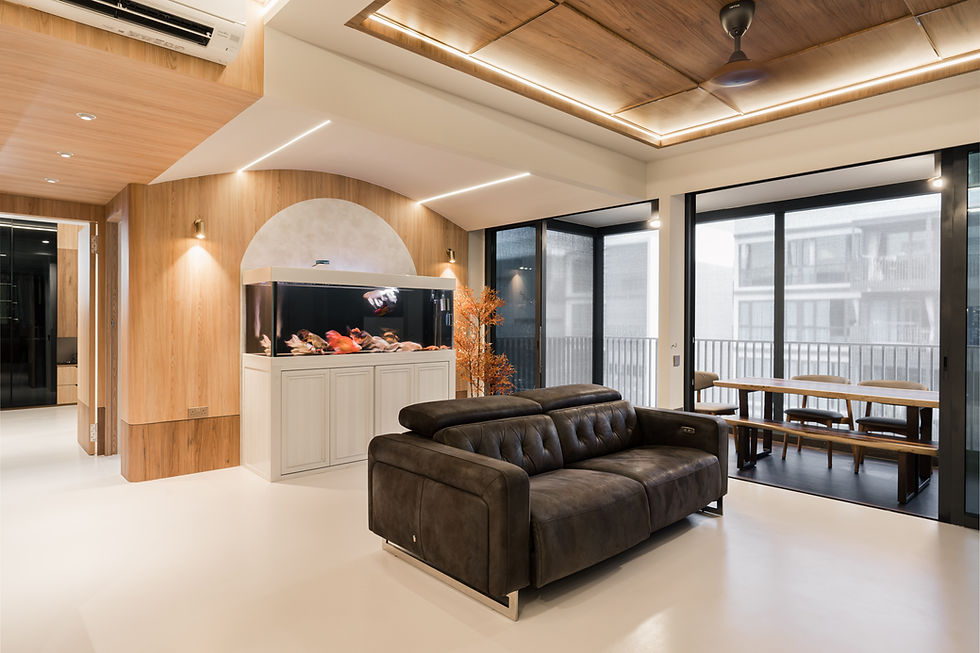
Highlight design features and materials
Improve comfort and functionality
Make spaces feel larger or more balanced
Because of its impact, professional interior designers often treat lighting as an essential layer of the overall design rather than just a technical necessity.
The Three Types of Lighting Every Interior Space Needs
A well-designed home usually incorporates layered lighting, which means combining different types of lighting to achieve both functionality and visual depth.
Ambient Lighting – The Main Source of Light
Ambient lighting provides the overall illumination for a room. It ensures that the space is bright enough for everyday activities and forms the base layer of lighting.
Common examples include:
Ceiling lights
Recessed downlights
Cove lighting
LED ceiling fixtures
Ambient lighting creates the general brightness that allows a space to feel open and comfortable.
Task Lighting – Focused Lighting for Activities
Task lighting is designed to support specific activities that require clearer visibility. This lighting helps reduce eye strain and improves functionality in certain areas of the home.
Examples include:
Under-cabinet lighting in kitchens
Desk lamps in study areas
Vanity lighting in bathrooms
Reading lamps beside beds
By directing light where it is needed most, task lighting ensures that spaces are practical and efficient.
Accent Lighting – Highlighting Design Features
Accent lighting is used to highlight specific features in a home and add depth to the overall design. Instead of illuminating the entire room, it draws attention to certain elements.
Accent lighting is commonly used for:
Feature walls
Display cabinets
Shelving units
Decorative wall panels or artwork
This type of lighting adds visual interest and helps elevate the design of the interior space.
Understanding Lighting Color Temperature
One of the most important aspects of lighting is color temperature, which determines whether a light appears warm, neutral, or cool. Color temperature is measured in Kelvin (K) and plays a major role in setting the mood of a room. The image below visualizes the different color temperatures along with their measurements for reference.

Warm White Lighting (1000K – 3000K)
Warm white lighting produces a soft, yellow-toned glow that creates a cozy and relaxing environment. The images below are examples from our completed or ongoing projects showing rooms that used warm white lighting. This lighting is ideal for spaces where comfort and relaxation were the main priorities.
Natural White Lighting (4000K – 5000K)
Natural white lighting provides a balanced tone between warm and cool light. It offers clarity while still maintaining a comfortable atmosphere. This lighting temperature is versatile and suitable for areas that require both comfort and visibility. What you’re seeing below are just examples of where this color temperature was applied in our completed or ongoing projects.
Cool White Lighting (6000K – 10000K)
Cool white lighting produces a bright, bluish tone that enhances visibility and alertness. Because of its brightness, cool lighting is best suited for spaces where clear illumination is required.
How Lighting can Influence the Mood of a Home
Lighting does play a significant role in shaping how a room feels. By adjusting the brightness and their color temperature, homeowners can create different atmospheres throughout their homes.
To explain, warm lighting creates a calm and relaxing environment with soft, dim lighting creates a cozy and intimate atmosphere, while the bright lighting helps increase alertness and focus. For example in dining areas, warm pendant lighting can create a restaurant-like ambience, making meals feel more enjoyable and inviting.
Making Spaces Feel Larger with Strategic Lighting
Lighting can also influence how spacious a room appears. With the right placement, lighting can enhance the perception of space and depth.
Some common lighting techniques include:
Cove lighting to make ceilings appear higher
Wall lighting to visually widen a room
LED strips behind mirrors or panels to add depth
These techniques are particularly helpful in smaller apartments or condominiums, where lighting can help create a more open and comfortable environment.
Highlighting the Best Features of Your Interior
Lighting is also an effective way to showcase the design elements of your home. By directing light toward certain features, you can create focal points that enhance the overall interior design.
For example, accent lighting can be used to highlight:
Textured feature walls
Custom carpentry
Decorative shelves
Artwork or display cabinets
These lighting effects help bring attention to the craftsmanship and design details that make a home unique.
Transforming Your Home with the Right Lighting
Lighting has the power to completely transform the way an interior space looks and feels. When properly planned, lighting enhances comfort, improves functionality, and elevates the overall aesthetic of a home.
By combining layered lighting, selecting the right color temperature, and strategically placing light fixtures, homeowners can create spaces that feel warm, inviting, and visually balanced.
Whether you are renovating a new home or refreshing an existing one, thoughtful lighting design can make a remarkable difference in how your home is experienced every day.
Key Takeaways
Lighting is a crucial element that shapes the mood and atmosphere of a home.
Layered lighting (ambient, task, and accent) creates a balanced and functional interior.
Different lighting temperatures help achieve different moods and purposes.
Strategic lighting placement can enhance space, depth, and design features.
With the right lighting approach, even a simple interior can be transformed into a comfortable and beautifully designed living space.




Comments